Dominic Blewett Photography
  • Events
  • People
    • Portraits
    • Headshots
  • Corporate
  • Bio & Contact
  • Blog
Dominic Blewett Photography
  • Events
  • People
    • Portraits
    • Headshots
  • Corporate
  • Bio & Contact
  • Blog
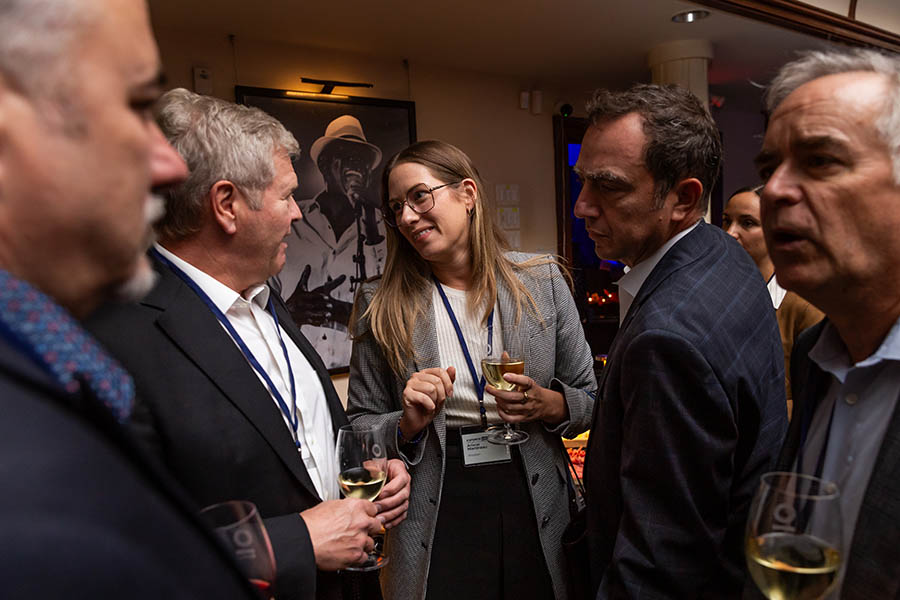
Event guests at a networking evening in Montreal

Montreal event photography - Attendees enjoying a private evening event at Le Balcon in Montreal, Quebec, Canada

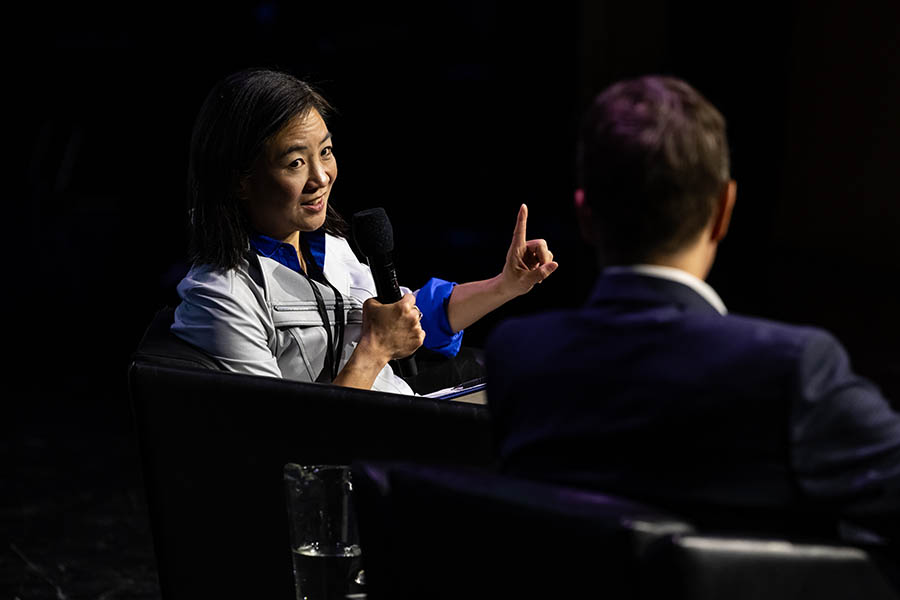
Onstage at BANQ Montreal

Haharie Han during an onstage discussion at the Canada Vote Summit at the Grande Bibliotheque in Montreal, Quebec, Canada

The Complete Guide to Hiring an Event Photographer in Montreal

When you’re organizing a conference, gala, networking event, product launch, or company celebration, photography is often booked late in the planning process. But the reality is that the images from your event will likely outlive the event itself. They’ll be used on your website, LinkedIn, annual reports, press releases, recruitment campaigns, sponsorship decks, and future event promotions.

As a professional event photographer working in Montreal, I’ve seen the difference that thoughtful planning makes. The best event photos don’t happen by accident—they come from matching the photographer’s experience to the goals of the event.

This guide explains what to look for, what questions to ask, and how to make sure you get images that are genuinely useful for your business.

Why Corporate Event Photography Matters

Corporate photography is not just about documenting that an event happened.

Good event coverage should help you:

  • Show the scale and energy of the event.
  • Capture interactions between attendees.
  • Highlight speakers, sponsors, and branding.
  • Create content for marketing and social media.
  • Build credibility with future attendees and clients.


A common mistake is hiring based only on price or on a portfolio of unrelated photography. Corporate events require a specific skill set: working quickly and flexibly, anticipating moments, handling difficult lighting, and remaining unobtrusive while people network, present, and interact naturally.

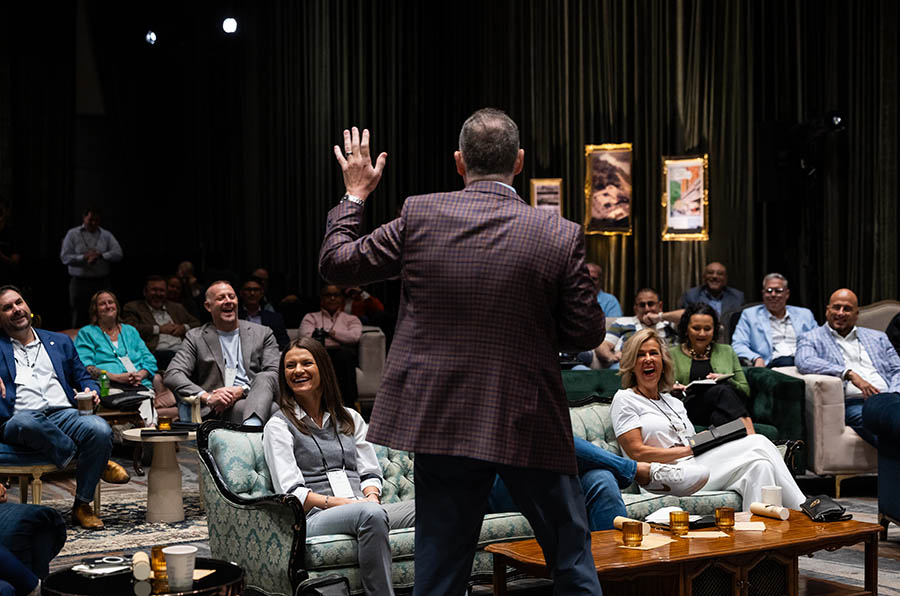
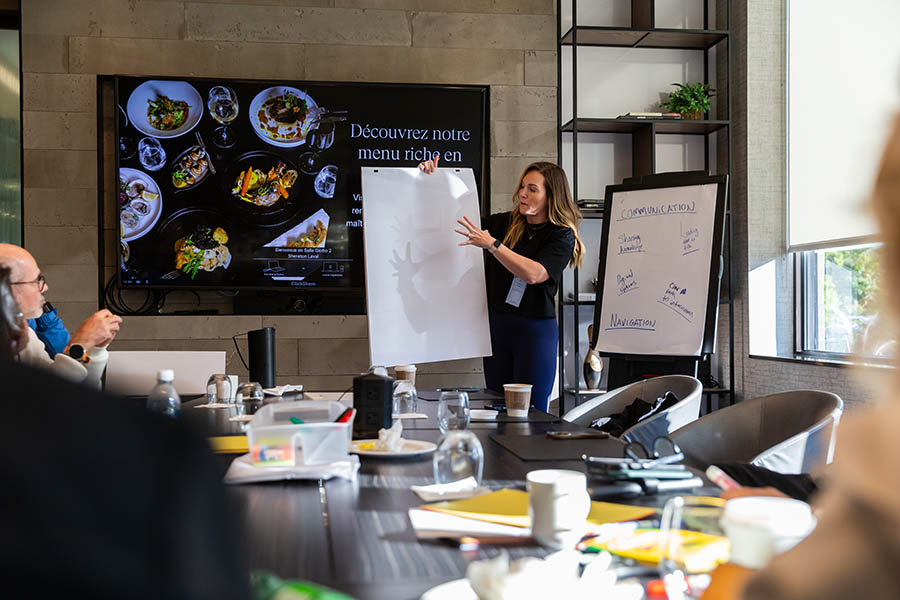
Laval conference delegates enjoy presentation

A fun presentation during the GMAC Conference at the Sheraton Laval, Quebec, Canada

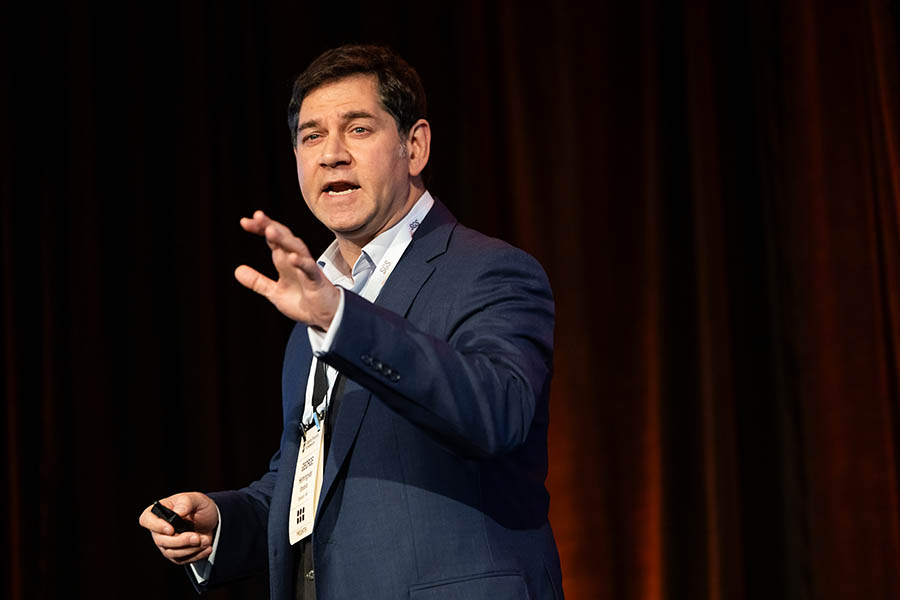
Montreal conference photographer shot of a keynote speaker

Keynote speaker during a corporate event at Le Centre Royal in Montreal, Quebec, Canada

Start With One Question: What Will The Photos Be Used For?

Before contacting photographers, decide how the images will be used.

Clarify the purpose first.

Different uses require different coverage priorities, editing styles, and shot lists.


Use

Priority

Website / branding

Wide venue shots, candid interactions, branded details

LinkedIn / social media

Speaker photos, audience engagement, networking moments

Press release

Clear images of key people, stage, signage, and crowd

Sponsor reporting

Branded activations, booths, sponsor visibility

Internal communications

Team interactions, awards, celebrations

When you know the purpose, a photographer can prioritise the right moments instead of simply shooting everything equally.

What To Look For In A Corporate Event Photographer

1. Real Event Experience

When you look through a photographer’s portfolio, check to see if they have shot a good variety of events:

  • Conferences
  • Galas
  • Networking events
  • Awards ceremonies
  • Product launches
  • Trade shows

Look for consistency across different venues, event types, and lighting conditions.

2. Ability To Work In Difficult Lighting

Montreal event venues vary enormously. Ballrooms, historic buildings, restaurants, and convention spaces all present different challenges.

A professional event photographer should be comfortable with:

  • Dim ambient lighting
  • Stage lighting
  • Mixed colour temperatures
  • Fast-moving subjects
  • Large crowds

If every image in the portfolio looks heavily flash-lit (with harsh, unnatural shadows) or staged, that may be a red flag.

3. Understanding Of Corporate Etiquette

At a business event, the photographer is representing your brand.

They should know how to:

  • Work quietly during presentations.
  • Avoid blocking attendees.
  • Coordinate with AV teams.
  • Capture executives naturally.
  • Handle VIPs professionally.
Group project during event workshop, by Laval event photographer

Business event attendees work on a group project during the GMAC Conference at the Sheraton Laval, Quebec, Canada

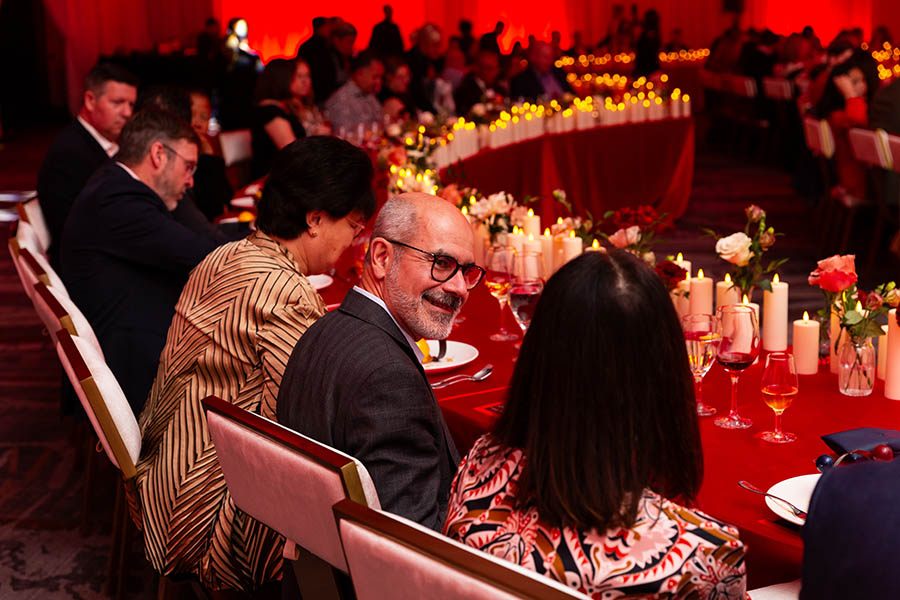
Gala dinner guests during a conference in Laval

Guests chat between courses during the GMAC Conference gala dinner at the Sheraton Laval, Quebec, Canada

Questions Every Event Planner Should Ask

Here are the questions I recommend asking any photographer before booking.

1. Have you photographed events similar to ours?

Be specific: conference, gala, fundraiser, networking event, etc.

2. How many edited images will we receive?

Avoid photographers who promise an unusually high number without explaining their process, it often means you’ll be hiring a ‘spray-and-prayer’, that is, someone who will deliver a ton of unnecessary duplicates, triplicates, or more.

One caveat: don’t be alarmed if a photographer gives you broad range, e.g. 250-500 images. Every event is different. I’ve shot short, activity-packed events that have produced more images than multi-day conferences. It’s often difficult to give a clear estimate. Rest assured, an experienced event photographer will make sure they get you everything on the shot list (and likely more).

3. What is the turnaround time?

For corporate events, delivery expectations, depending on what the photos will be used for, can be relatively quick.

Typical ranges:

  • Same-day previews: 5–20 images
  • Next-day highlights: 20–50 images
  • Full gallery: 2–7 days

Note that many event photographers charge a ‘rush-fee’ for delivery of a full gallery within 24-48 hours so, before asking for this, decide if you really need it.

4. Are the images licensed for marketing use?

Most corporate clients need broad usage rights.

5. Do you carry liability insurance?

Many Montreal venues require proof of insurance.

6. What happens if you are unable to attend?

Professionals should have a backup plan, with a strong network of reliable associates who will be able to cover the shoot if necessary.

7. Do you work alone or with a second photographer?

Larger conferences and multi-room events may benefit from additional coverage.

8. What information do you need from us beforehand?

A good photographer will ask for a schedule, key people, sponsor requirements, and venue details.

How Many Hours Should You Book?

One of the biggest budgeting mistakes is booking only the presentation portion and missing registration, networking, sponsor activations, and candid interactions—the images that are often most valuable for future marketing.

To get the most out of your event coverage, you need a variety of photos that give a well-rounded view of the whole event.

That being said, I often work closely with clients to figure out which parts of their event to prioritise, especially if there are budget constraints.

For example, during multi-day events, there’s normally registration each morning, and often a short, daily breakfast networking session. It’s normally only worth a photographer shooting registration on the first day, as that’s normally when it’s busiest, ditto for any breakfast (and sometimes that can be cut from the photo shot list completely as people are eating and waking up, a time when no one really wants a camera around).

Likewise, if there are networking sessions every evening of your multi-day event, you should have a photographer at the ones that are, e.g. held somewhere special, or involve some kind of special activity, but not necessarily have a photographer at every networking evening, both to avoid having too many shots of the same thing, or giving your guests ‘photographer-fatigue’ when they’re likely trying to unwind.

Something to note about budgeting. Some clients want to save money by booking their photographer for short, key periods throughout the day. That won’t work if you’re hiring a professional! 

Whether a photographer charges a flat half-day or full-day rate, or charges by the hour, they are charging for ‘time out-of-office’. What does that mean? Well, say you want a photographer between 09:00 and 11:00, and again between 14:00 and 17:00, you might expect to pay them for five hours, but they would charge you for eight. That’s because there’s virtually no way of them picking up other work between 11:00 and 14:00, especially when you factor in transport, so it’s essentially dead time. Some photographers might charge a reduced hourly rate for these hours that they’re on standby, but there’s no guarantee. The best way to get the most bang for your buck is to hire an event photographer for consecutive chunks of hours.

And, also on that note, most event photographers charge a 3-hour minimum. It’s not normal to pay an event photographer for a single hour – at least not a photographer who plans to stay in business. Even if you really only have an hour’s worth of event to shoot, your photographer is still going to be out-of-office for almost half a day to shoot that, hence the 3-hour minimum. 

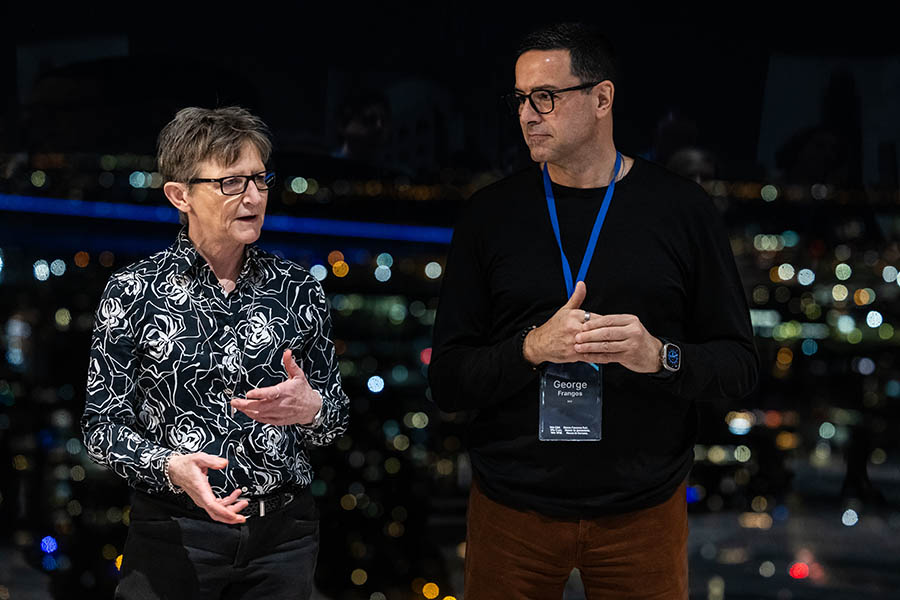
Event in Montreal venue, Marriott Chateau Champlain

Presenters during an evening session at the NBM Conference at the Marriott Chateau Champlain in Montreal, Quebec, Canada

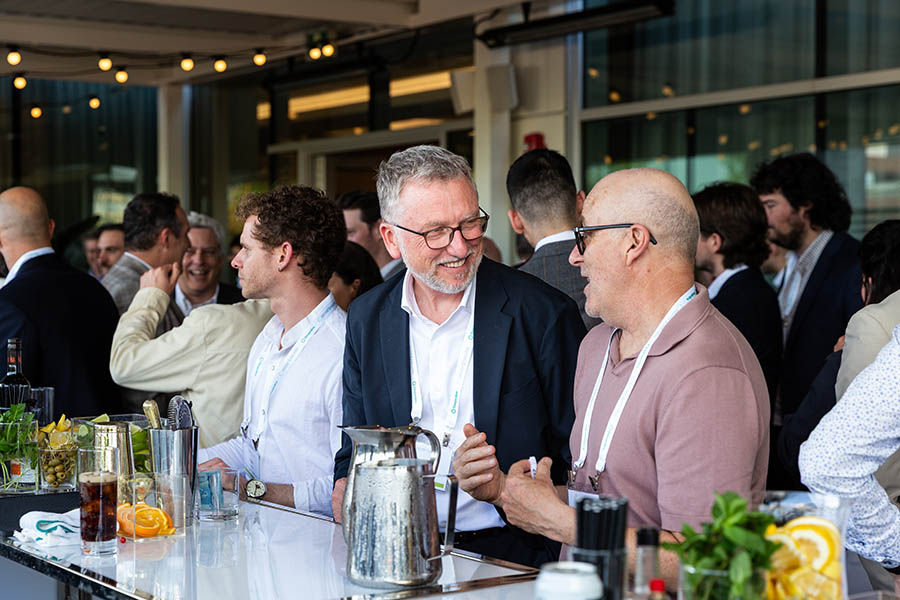
Event guests chatting at the bar, by Montreal business event photographer

Event guests at the open bar at the canREA Net Zero Summit, at the Hilton Garden Inn Midtown Montreal, Quebec, Canada

Montreal-Specific Considerations

If your event is in Montreal, local venue experience can be surprisingly helpful.

There are large differences in lighting, room layout, and access considerations in the city’s corporate event venues, and a photographer who has worked in these spaces before will usually know:

  • where the strongest natural light is,
  • how stage lighting behaves,
  • where best to position for keynote shots,
  • the best locations for group shots,
  • and how to move efficiently through the venue.


That can save time on the event day and improve the consistency of the final gallery.

A Simple Booking Checklist

Before the event, send your photographer:

  • Final schedule / run of show
  • Venue address and parking/loading details
  • Names and photos of VIPs or speakers
  • Sponsor shot requirements
  • Branding elements that must be captured
  • Contact person on site


This quick step usually improves coverage dramatically.

The Bottom Line

Hiring a corporate event photographer is less about finding someone with a camera and more about finding someone who understands business events.

The best photographers help you:

  • identify the moments that matter,
  • work efficiently within the event schedule,
  • capture images that are actually useful after the event,
  • and deliver them quickly enough to support your marketing.


If you’re planning a conference, gala, networking event, or product launch in Montreal, I recommend starting the conversation with your photographer as soon as the venue and schedule are confirmed. Event photographers get booked up quickly, plus, the earlier they understand your goals, the better the final images will support your brand long after the last attendee leaves the room.

Let us know your thoughts about this topic Cancel reply

Your email address will not be published. Required fields are marked *

You may also like
SSENSE Innovation Day
September 28, 2022
in Event Photographer+Event Photography

SSENSE Innovation Day

Montreal Tech Event Photographer, SSENSE Innovation Day A selection of images from the SSENSE Innovation Day event I photographed in early S
Alexandre Guanse
January 17, 2020
in Portrait+Portraits

Alexandre Guanse

Portrait Photography – Alexandre Guanse These shots are from a shoot with French actor Alexandre Guanse. Alexandre got in touch with m
Dominic Blewett Photography
Images © 2026 Dominic Blewett. All Rights Reserved