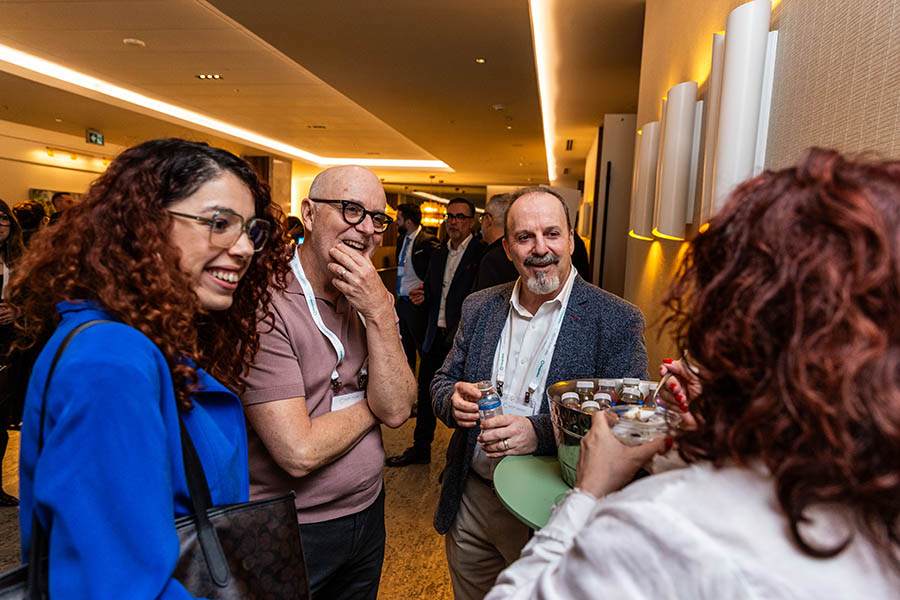
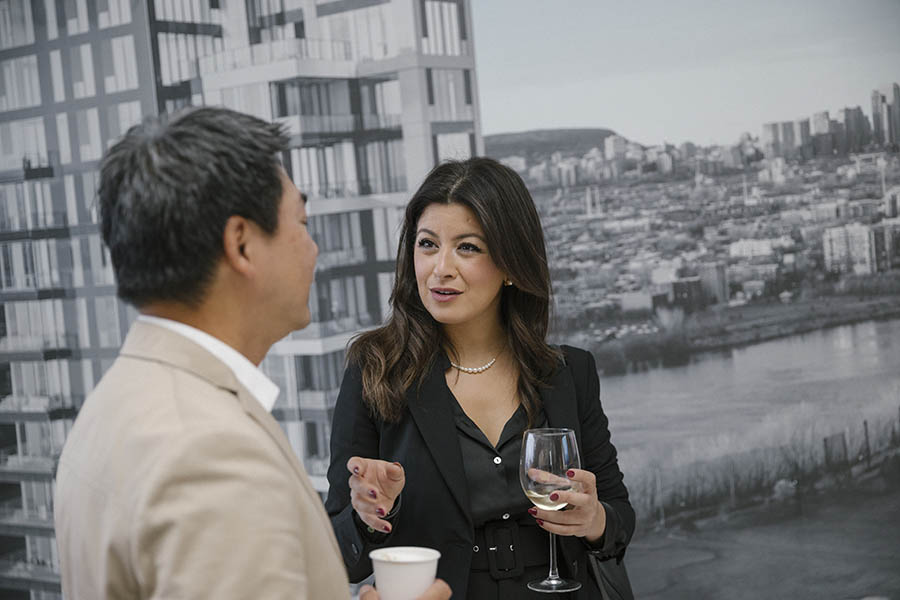
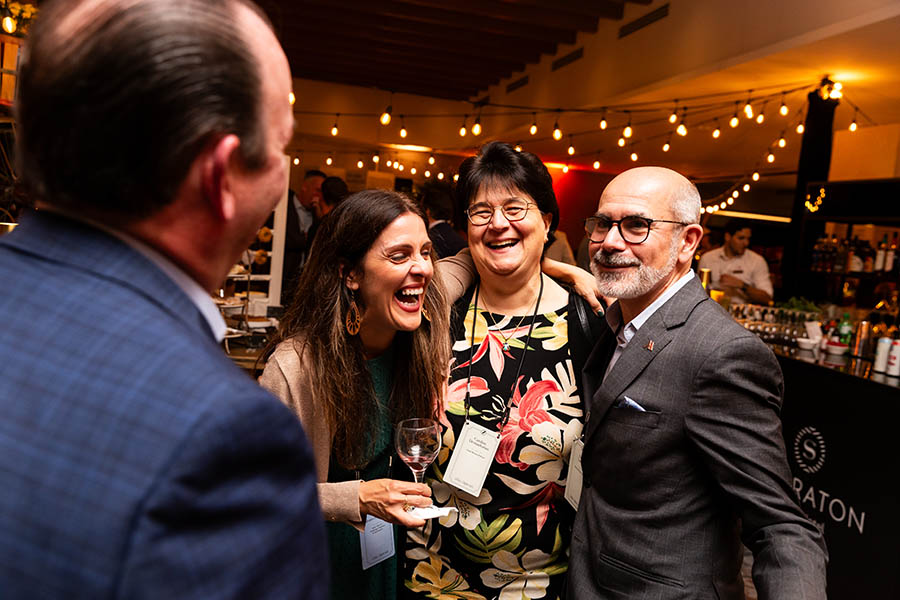
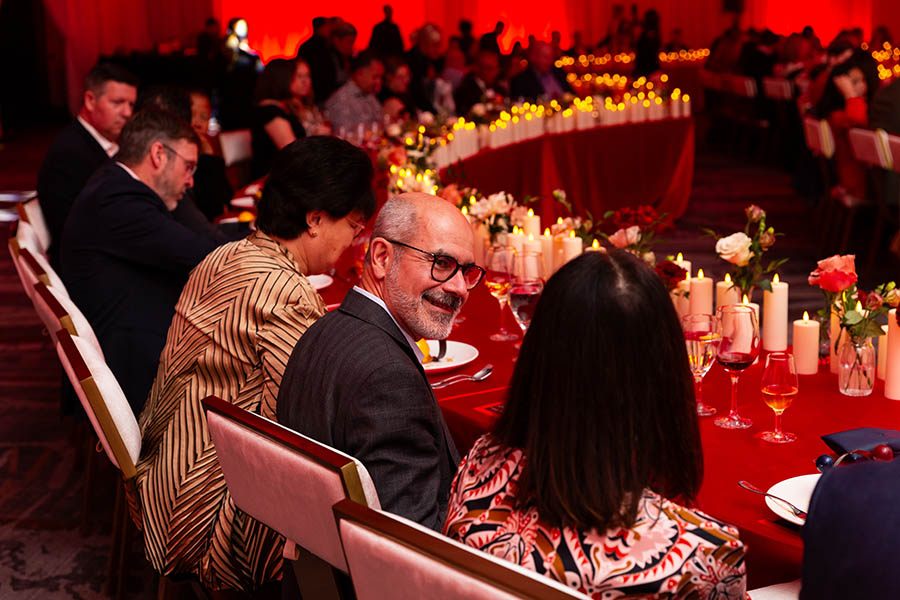
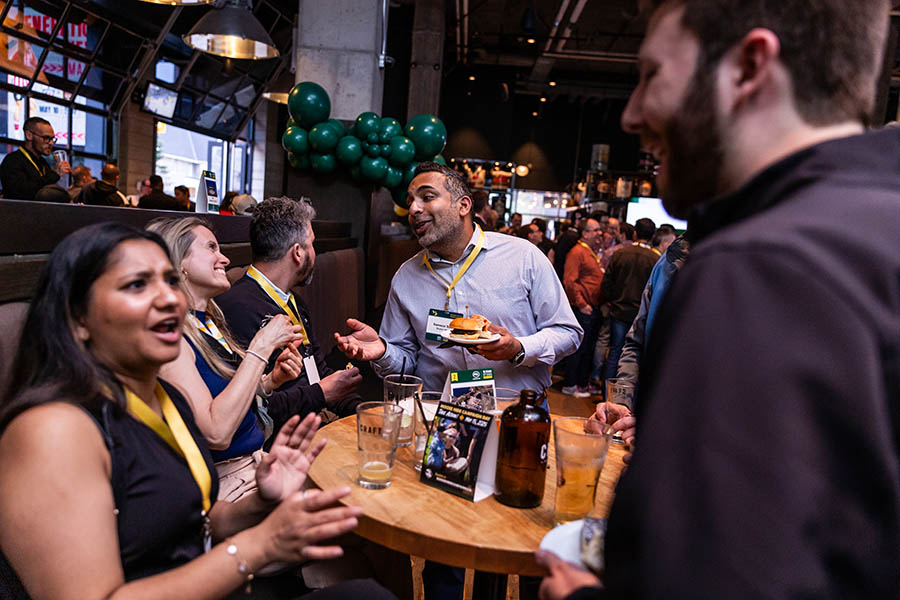
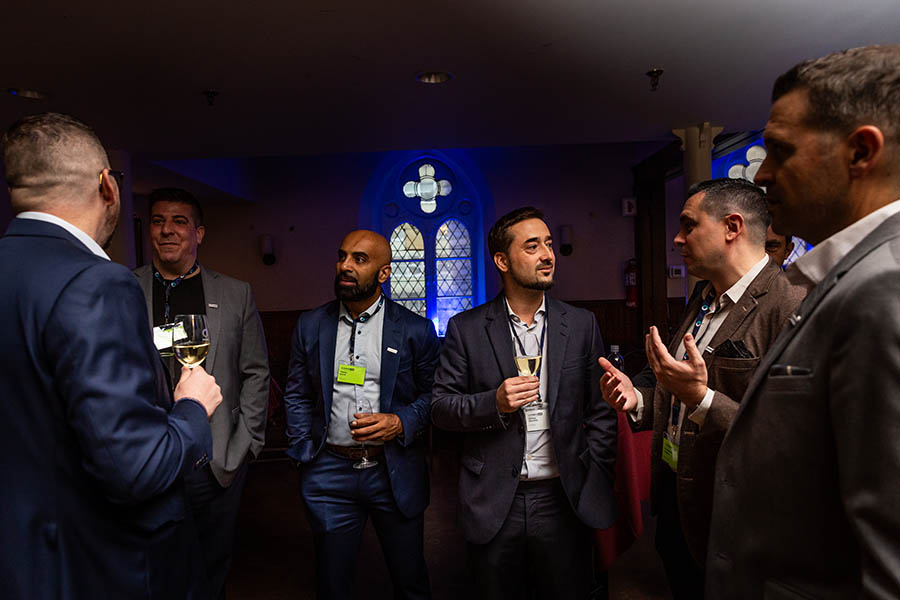
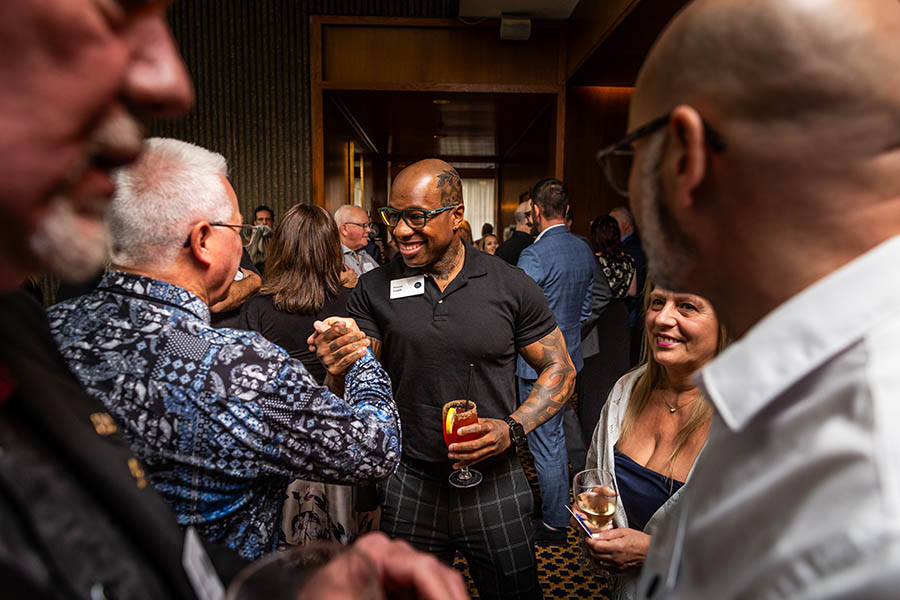
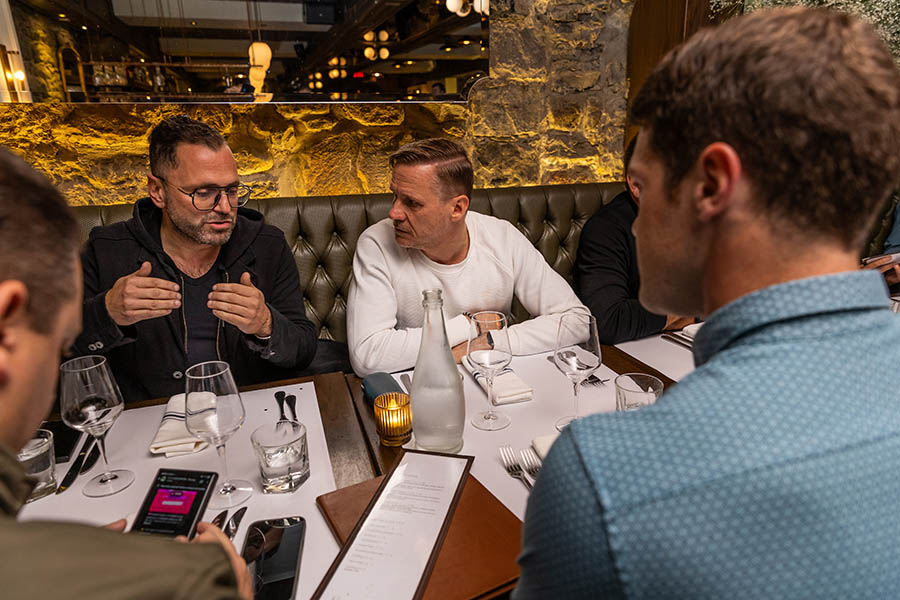
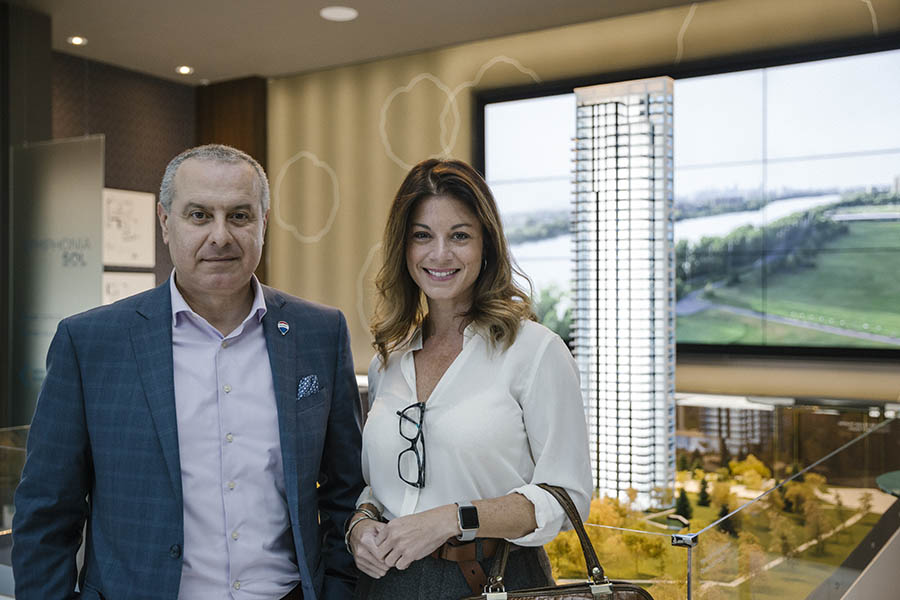
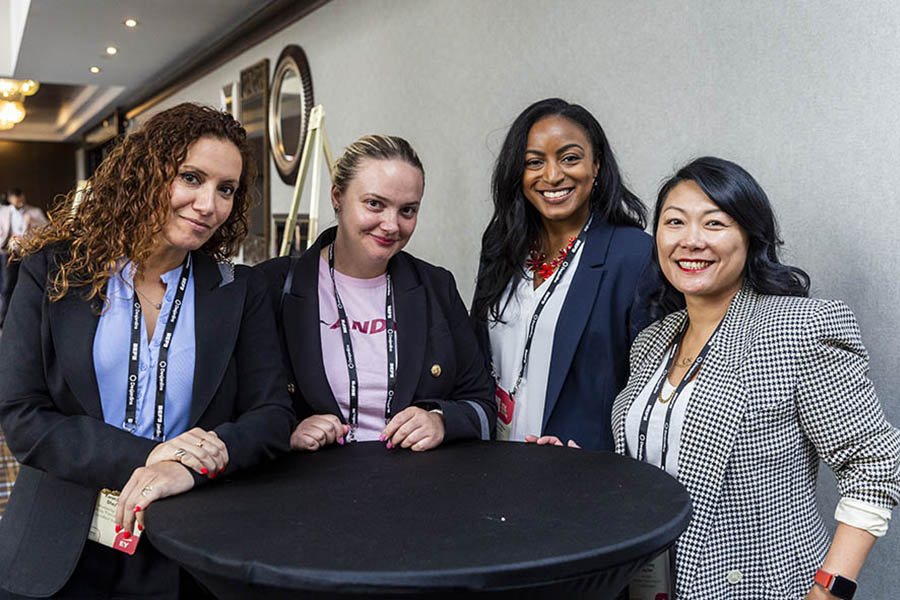
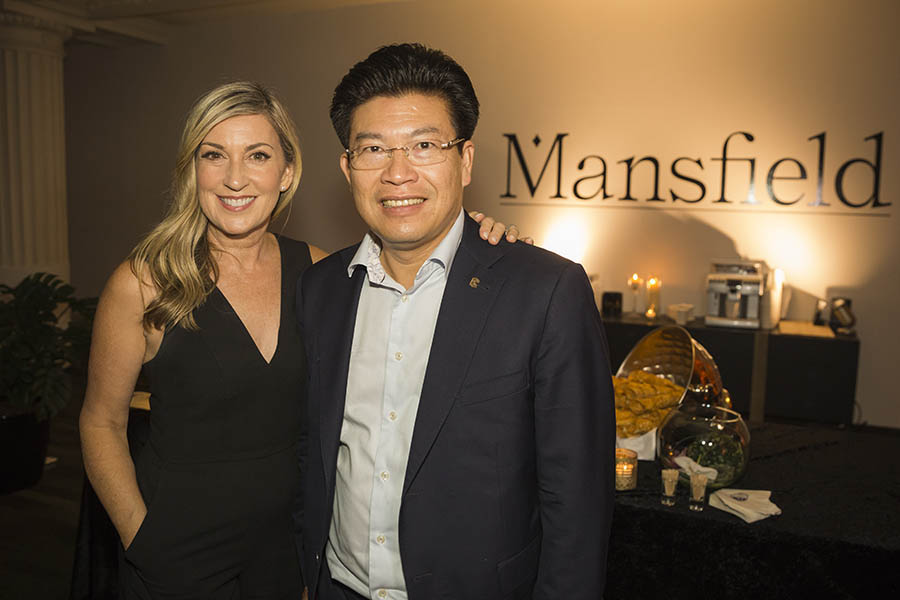
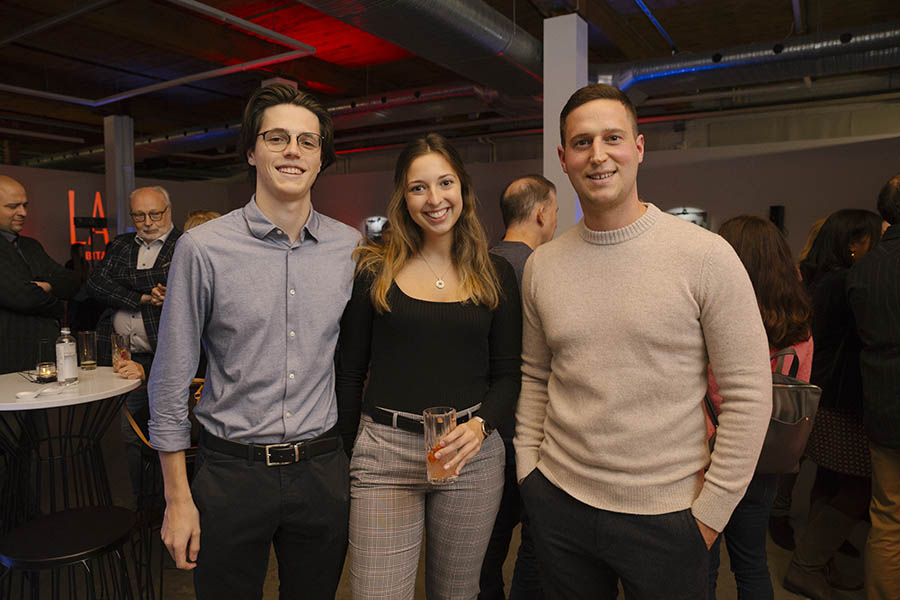
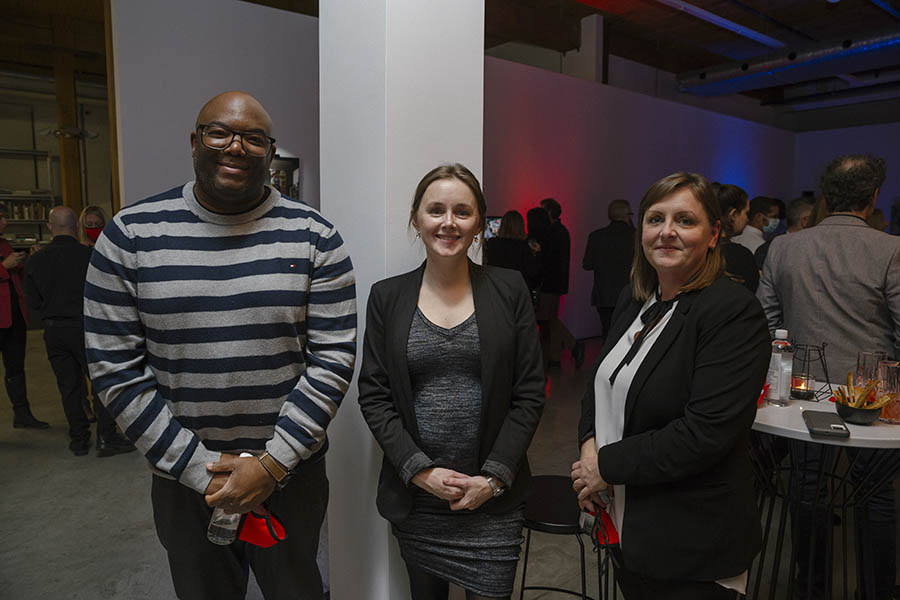
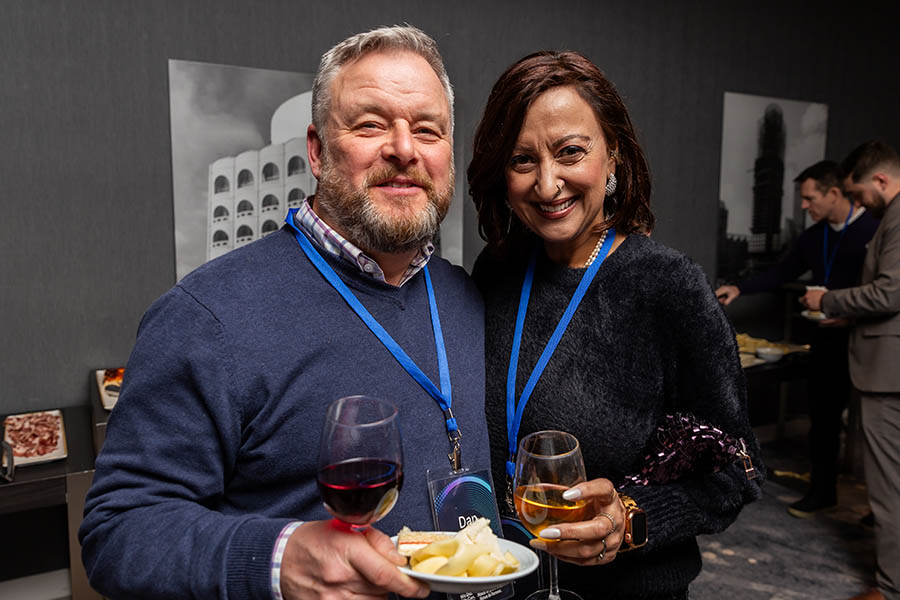
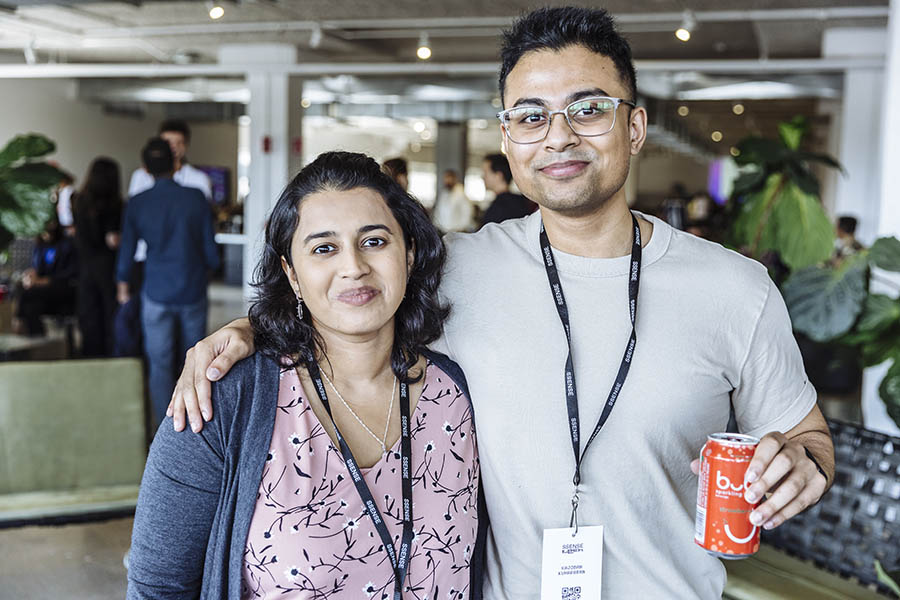
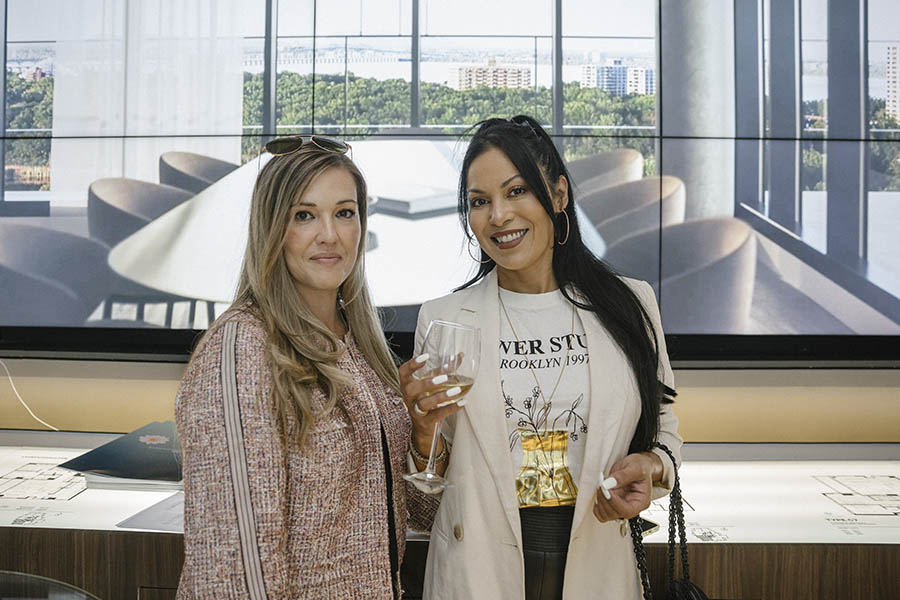
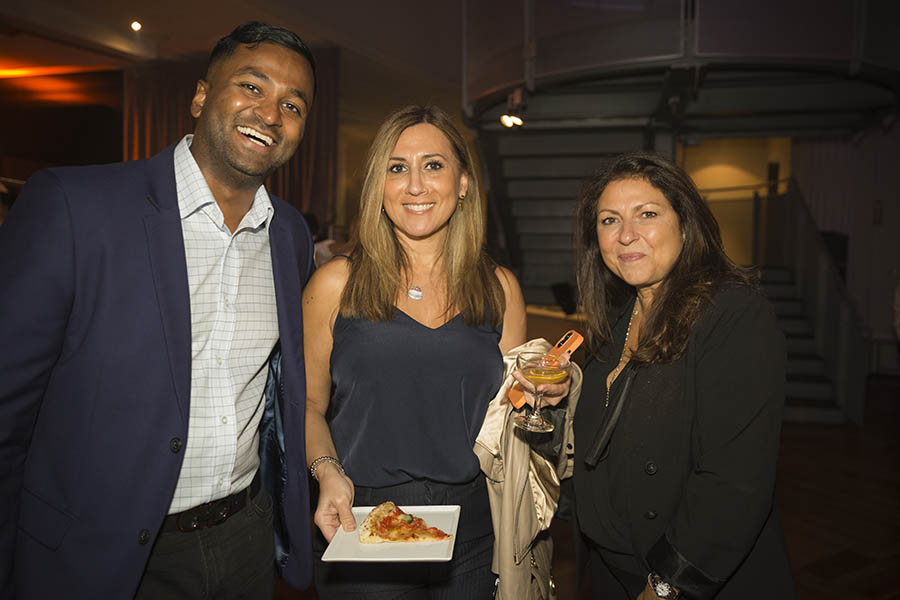
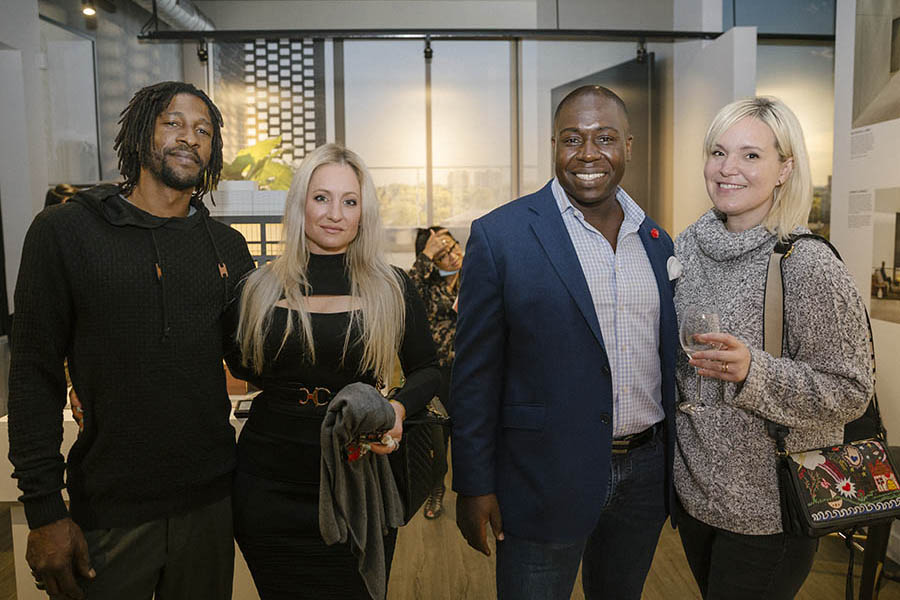
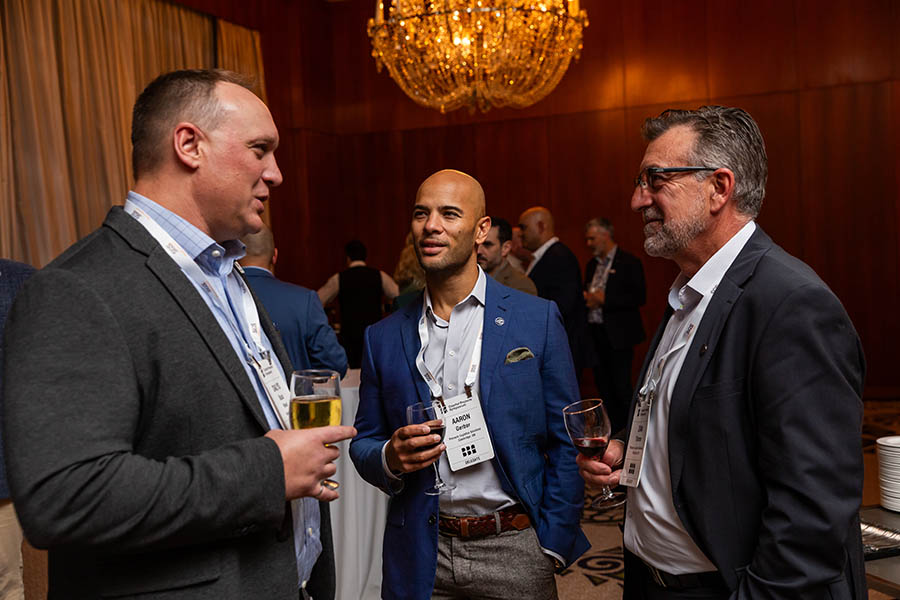
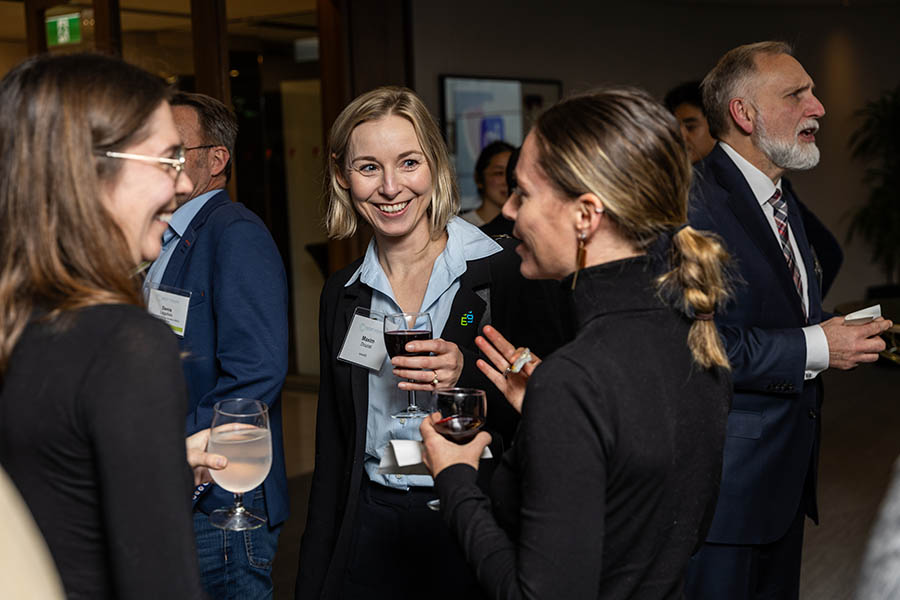
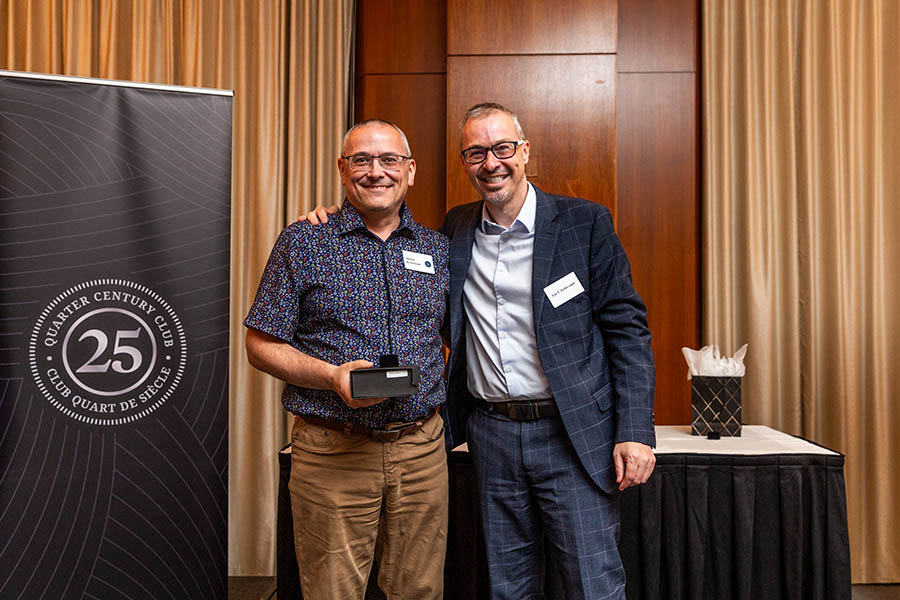
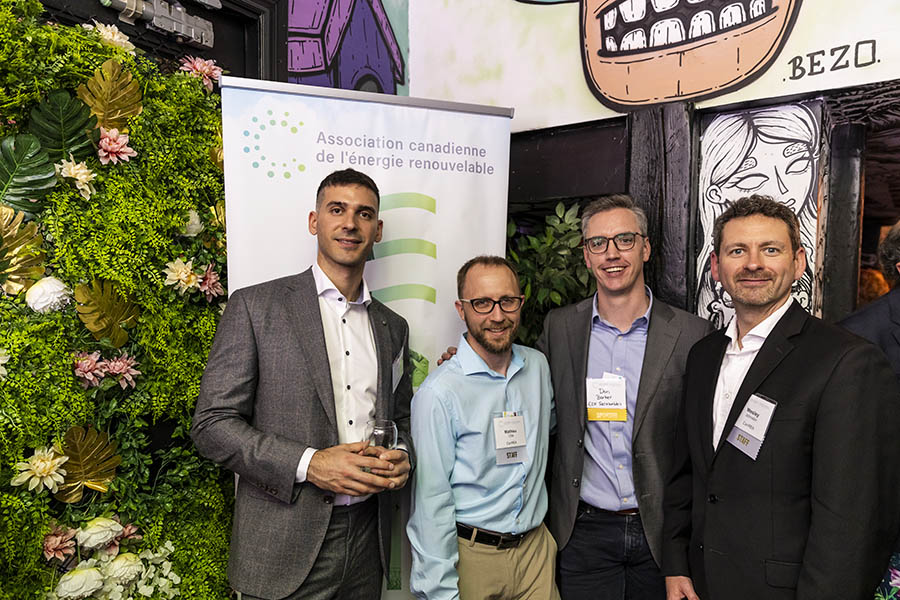
I’m not sure if there is even a debate about this any more, or if there ever was. But, I do sometimes have clients who lean more towards posed event photos, and I normally recommend they lean the other way, towards natural, candid photos.
Here’s why.
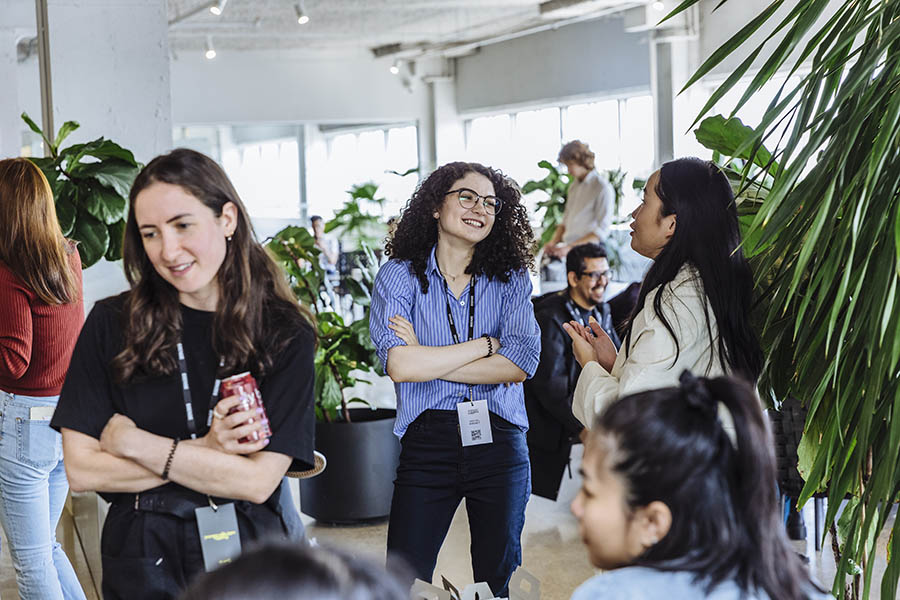
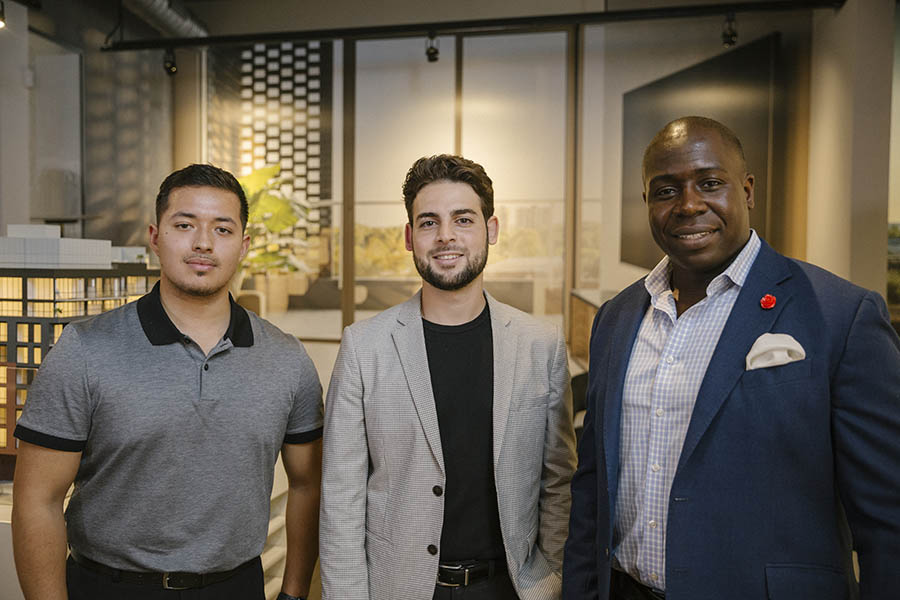
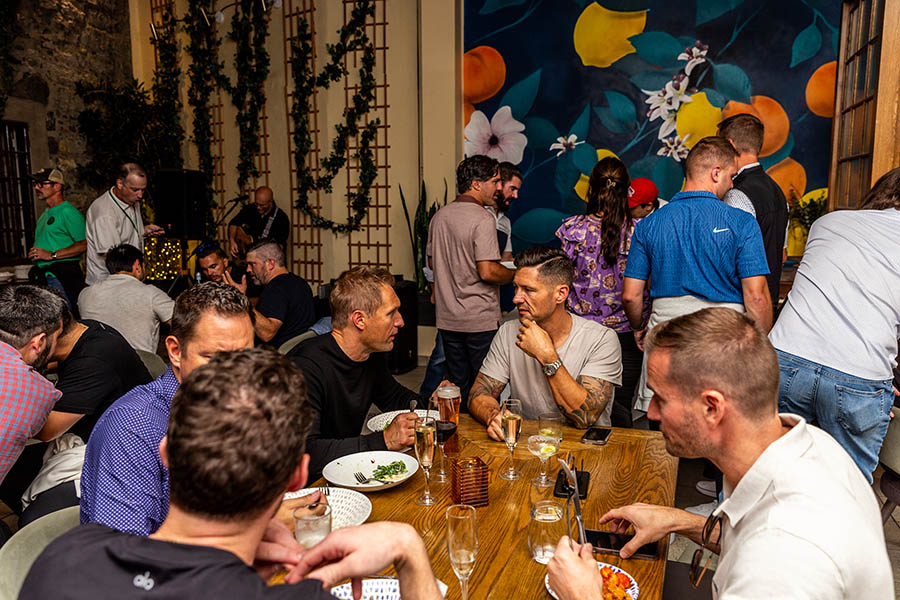
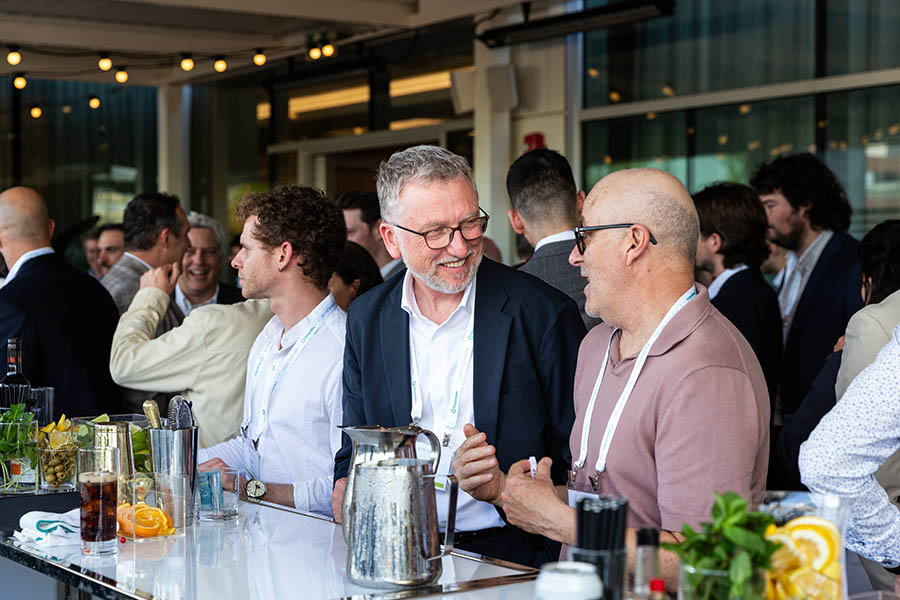
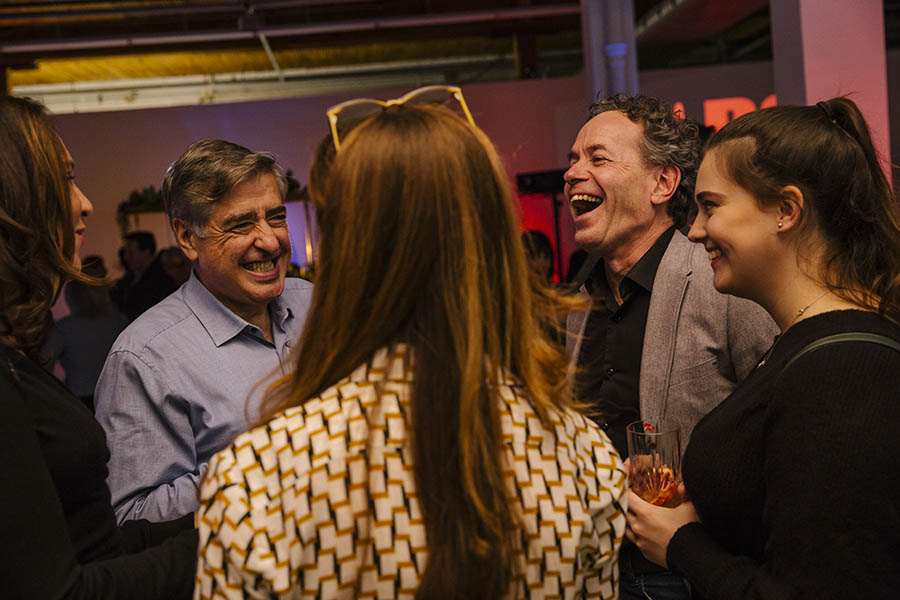
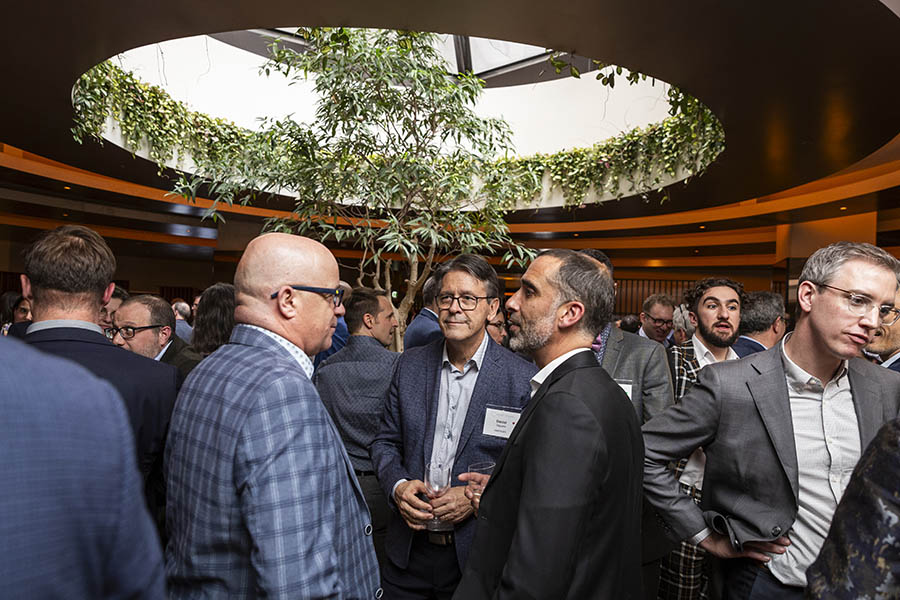
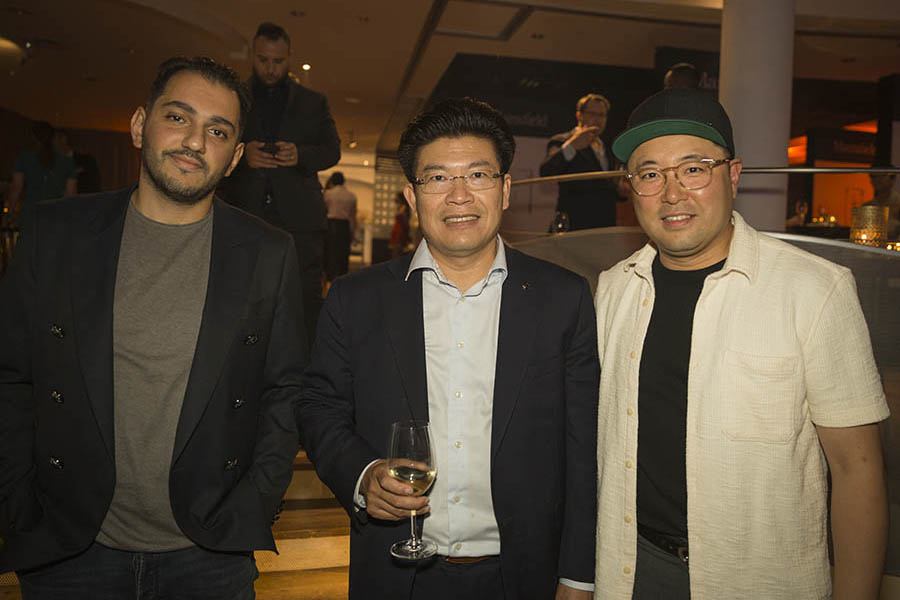
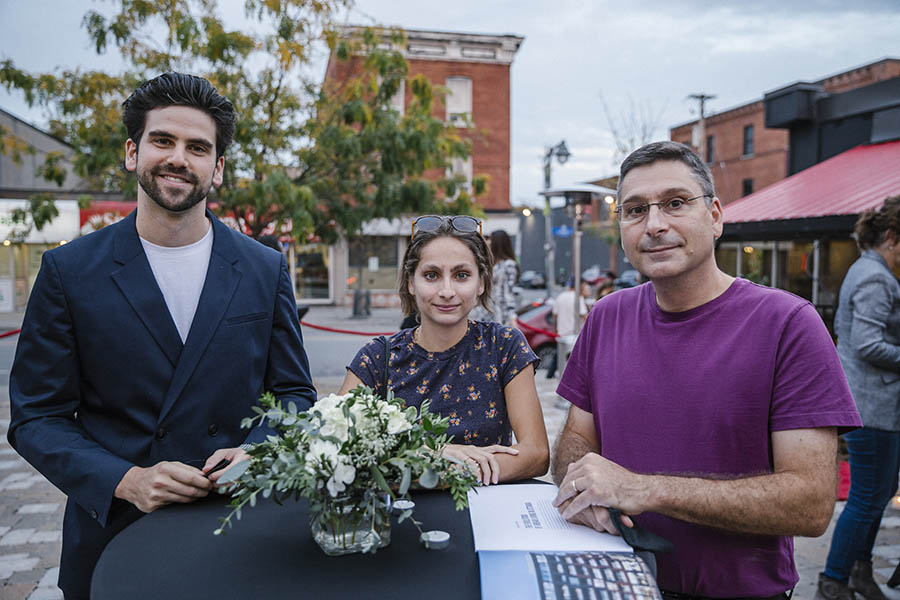
(But first, let’s look at two small galleries of each style).
So, before getting into it, I should say that I believe there is a place for both, and I do take both, but that the place for one of them, the posed photos, should be smaller, targeted, and approached with care.
As should be clear from the two galleries above, there are a lot of differences between candid and posed photos, both visually and in terms of the feeling you get when you look through the images.
The candid photos are more interesting, less repetitive and, as well as showing you who was at the event, also provide context and a sense of atmosphere or narrative, whereas the posed photos only really provide an answer to the question ‘Who was at the event?’
When looking through the posed photo gallery, it’s easy to become bored, or detached from the experience. Ultimately, you can imagine that people looking through this gallery would be scanning to see if they or their friends/colleagues are in any of the photos. Finding a photo they are looking for will bring them pleasure, and that’s not nothing, but they’re likely to have little connection with the photograph beyond that, especially because it’s compositionally indistinguishable from the others. And, anyone looking through the gallery who wasn’t at the event is not likely to get much out of it.
On the other hand, it’s a much more pleasurable experience looking through the candid gallery. Although the focus is still on the people, the guests, we can see how much they are engaged in and enjoying the event, and see them doing it in a natural, dynamic way which also shows them in the context of where they were or what they were doing. We feel like we are at the event with them. People who were at the event will enjoy looking through the gallery as it will remind them not just of those they spent time with, but of the conversations they had, the food they ate, the activities they took part in, and the emotional connection they had with the experience. Anyone who wasn’t there will feel as if they were there, or at the very least like they can imagine what it was like, and want to be there next time.
Companies want visitors to think:
“That looks like an event I’d want to attend.”
Natural conversations, laughter and interaction communicate this far better than a line of people looking at the camera.
One of the biggest jobs of event photography is selling the next event.
Which image makes someone more likely to register?
‘Three people smiling at the camera.’
‘A room buzzing with conversation over coffee.’
The second image. That’s the one that sells the experience.
Networking photos work exceptionally well because they look genuine.
Examples:
delegates chatting
introductions
speaker conversations
people exchanging ideas
These receive more engagement because they feel less promotional.
Sponsors don’t just want proof their logo was displayed.
They want evidence that:
Candid images provide that evidence.
Companies use event photography to show culture.
Potential employees want to see:
Natural interactions communicate these far better than posed groups.
Many organisations need photographs that illustrate:
Candid moments feel more authentic in publications.
Editors usually prefer images showing…
…rather than people standing shoulder to shoulder looking into the camera.
Social media rewards storytelling.
Networking photographs provide:
These moments encourage people to stop scrolling.
Posed event photography absolutely has its place.
Clients still need images of:
These images are often required for internal communications and official records.
So, I focus on candids. I focus on interactions and authentic moments that show the atmosphere and lived experience of an event.
Of course, I also get any posed shots that are necessary – group photos, award winners, and so on.
And, as I’m moving around the event, I take candids, but I don’t interrupt anyone or force them into groups for a photo-op. The reason for this is simple: the guests are there to connect with each other, to have important conversations, perhaps to negotiate business deals. If I get in the middle of that, I interrupt their flow, sometimes annoy them, and may even affect the outcome of their conversation.
So, I wait, I take candids, and from time to time people ask me to take a posed photo for them, and I happily take it. Because that’s what they want and, because they’ve sought me out, I know I’m not crashing one of their important moments.